

Listening Beyond the “Loss”
Grief can change the way we listen to our dogs. It can make us more alert to dog behavior changes, more tender, and sometimes more afraid of what we might be missing. In this piece, I’m exploring the quiet space between intuition and old heartbreak — and how pet loss can shape the way we notice our dogs, our worry, and our need to advocate for the ones we love. Because sometimes listening closely means trusting both our dogs and ourselves.
Wait! High Cholesterol?
When a blood panel comes back showing high cholesterol or high triglycerides, one of the first questions families often ask is: “Do we need to change the diet?”
It is such a natural question. We love our dogs deeply, and we want to know whether we caused this, whether we can fix it quickly, and whether one food change will put everything back on track.
What Is Hyperlipidemia? Is It Really About Diet? The Liver Connection Why the Pancreas Matters Raw Fats vs. Cooked Fats Dogs, Wolves, and Why Fat Matters What About the Brain and Cholesterol? TCM Perspective: Phlegm, Dampness, and Stagnation Herbs and CBD: Supportive Tools, Not Shortcuts A Gentle Reminder for Families Final Thoughts
The Terrain We Create & Share
Most people think of the immune system as something that simply fights disease.
But that is only part of the story.
A dogs immune system is not a switch that turns on and off. It is a living, listening, intelligent network shaped by everything the body experiences. It is influenced by food, the gut microbiome, stress, toxins, inflammation, sleep, pain, medications, and the emotional and environmental terrain a dog lives in every single day.
That is why immune health is never just about one supplement, one protocol, or one miracle fix.
It is about the whole dog.
The “Healing” Nose - Part 2
The “Healing” Nose PART II —we can always find a small piece of perfection in our dogs. For me, it’s the nose! Give me a cold, dry nose to boop and smooch any day of the week! There is something incredibly humbling about the way dogs move through the world.
Dogs can detect disease through scent because illness changes the body’s chemistry, and those changes can create a different odor profile. Trained dogs have shown impressive accuracy in identifying certain cancers and other conditions from samples such as breath, blood, urine, sweat, and skin. Their ability reminds us just how deeply dogs notice the world around them, often sensing what humans cannot yet explain.
They notice what we miss. They sense what we cannot yet explain. And sometimes, long before a person gets answers, a dog already knows that something has changed. When illness changes the body, it changes chemistry. And when chemistry changes, scent changes too.
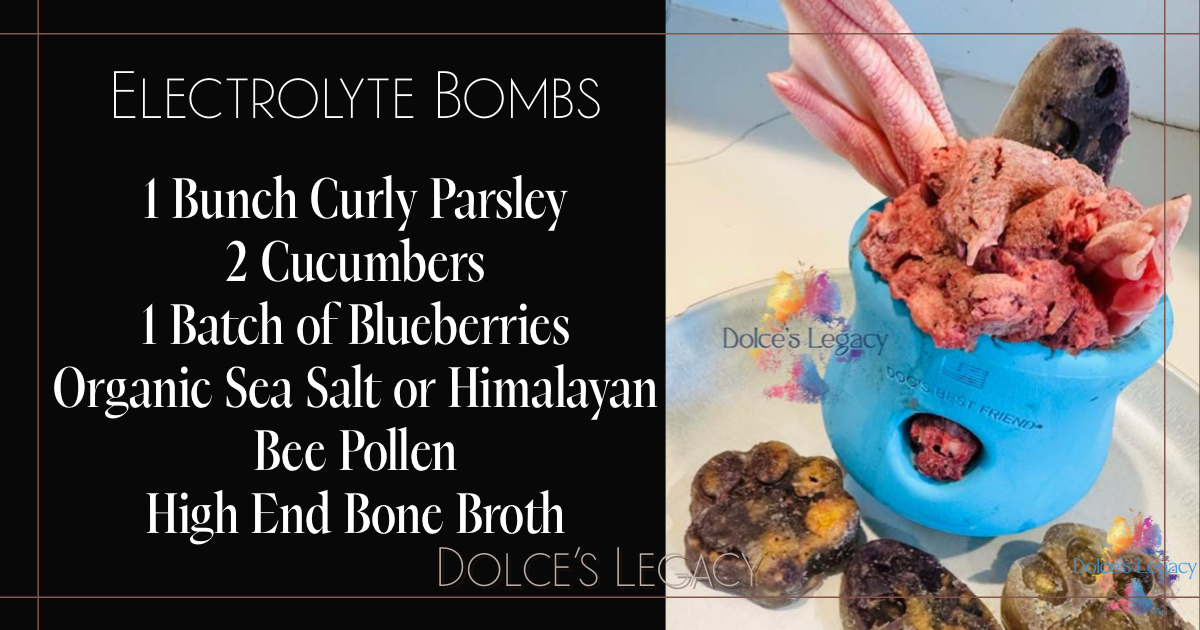
Electrolytes for dogs
The body is an electrochemical system.
That may sound technical, but it is really just a plain-language way of saying this: the body runs on currents, signals, and mineral balance. Nerves fire because charged particles move. Muscles contract because electrolytes help carry the message. Cells communicate, fluids shift, tissues repair, and temperature is regulated through a finely tuned dance of sodium, potassium, calcium, magnesium, chloride, phosphate, and other minerals.
When that balance is off — especially during heat, heavy activity, stress, diarrhea, or dehydration — the body has to work harder. And for dogs, that can show up quickly.
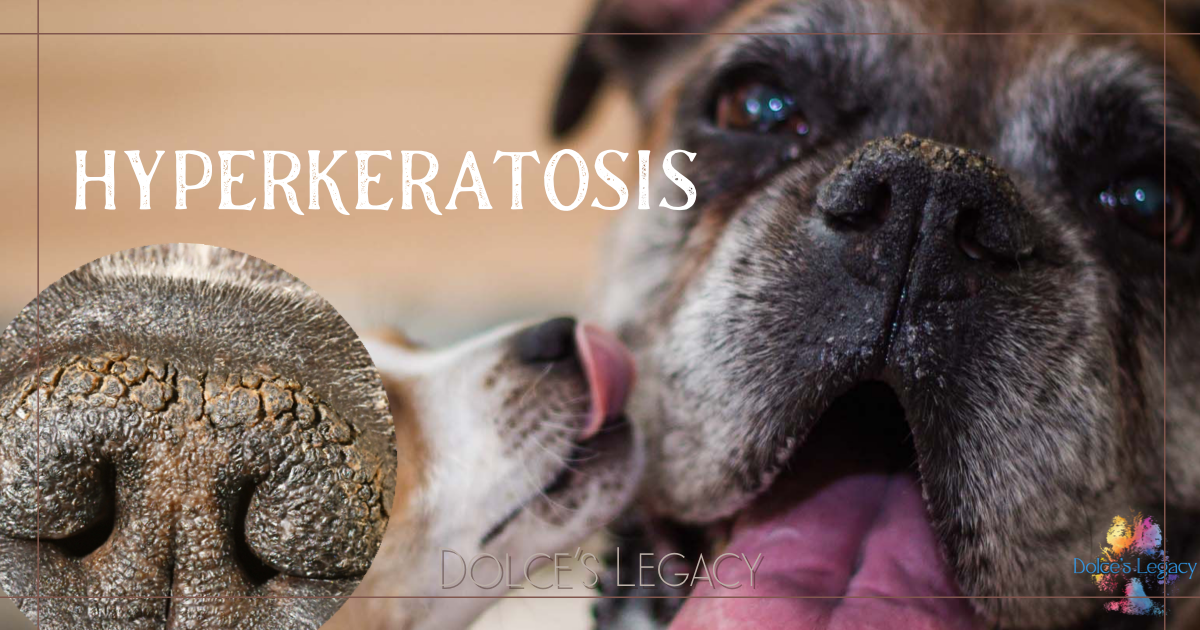
Hyperkeratosis - How normal is it really?
Many veterinarians will tell you, “It’s all perfectly normal”….
Hyperkeratosis in dogs is a condition where the body produces too much keratin, causing thick, dry, hardened skin. It’s often seen on the nose or paw pads, where it may look like crusty layers, rough patches, or hardened growths. While it may be brushed off as “normal,” hyperkeratosis can become uncomfortable or painful over time, especially if the skin starts to crack.
In Traditional Chinese Veterinary Medicine, hyperkeratosis and ichthyosis are often viewed as signs of Blood Deficiency, Yin Deficiency, Body Fluid Deficiency, or Spleen Qi Deficiency. From this perspective, the body is not nourishing or moistening the skin effectively, so the skin becomes dry, brittle, and prone to crusting.
The “Healing” Lick - Part 1
Studies have shown that canine saliva contains enzymes (like lysozyme) that contain proteins that attack the cell walls of certain bacteria. The healing powers of saliva have long been suspected to have healing qualities due to how quickly injuries inside the mouth heal. Menno Oudhoff of the University of Amsterdam found simple proteins called histatins (a family of small, histidine-rich, cationic antimicrobial peptides secreted in human saliva and ocular fluids. They are primarily encoded by the HTN1 and HTN3 genes.
Vitamin D and your Dogs Cancer
Over the years—caring for my own dogs and walking alongside clients whose dogs are facing cancer—I keep asking the same quiet question: is my dog truly getting what they need? I’ve also learned it’s okay to keep learning and to stay open to new information; a different perspective doesn’t mean the facts weren’t there—it just means we hadn’t seen them yet. For example, I only recently learned that many medicinal mushroom compounds have a half-life of about 10 to 12 hours, so giving them twice daily can help maintain their effects. We also know that medicinal mushrooms offer an abundance of Vitamin D.
It can be unsettling to learn that some commercial diets may miss essential vitamins while others oversupply them, risking toxicity—a confusing double-edged sword when you’re just trying to do right by your pet. What stands out most is how differently dogs can respond to the very same food: some thrive, while others quietly develop deficiencies. Did you know dogs don’t make meaningful vitamin D from sunlight the way we do?
Coptis for Diarrhea
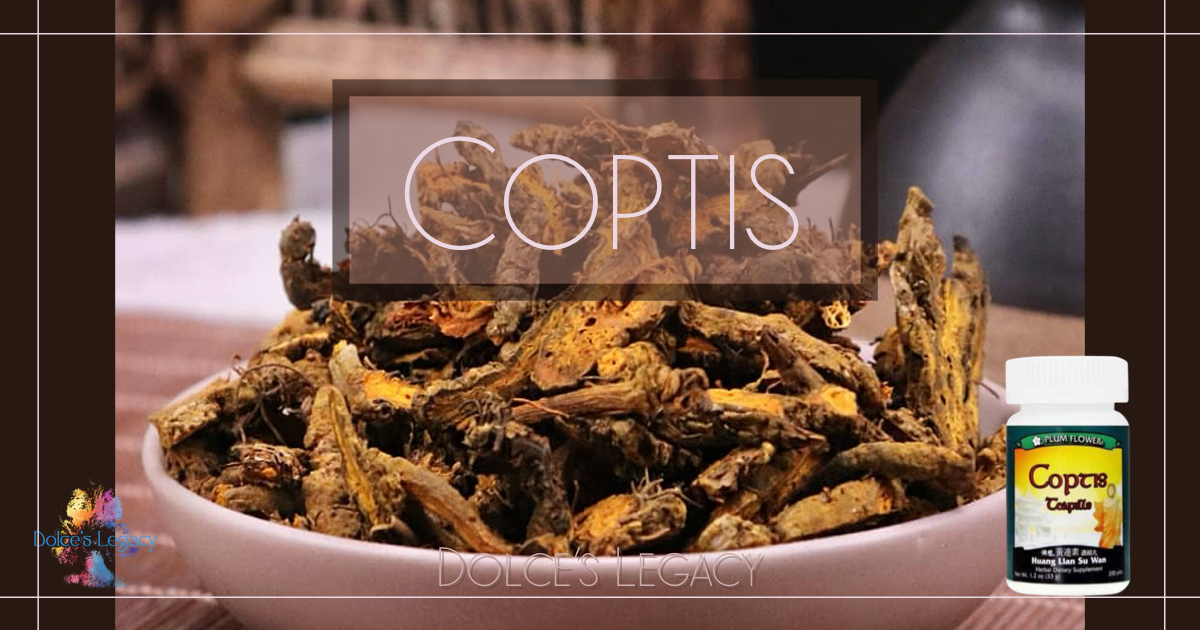
I wanted to throw this together really quickly as it’s always in my uh oh cabinet. I’ve seen multiple questions or concerns about diarrhea in regards to pain meds or inflammation. A great replacement for metronidazole without the harmful side effects that come with those medications. Usually kicks out runny tummys within 6 to 24 hours. Dosage starts at…

Your Dogs & L. Sakei, L. Rhamnosus, L. Casei
With complete transparency, I’ll be the first to say I don’t subscribe to “every dog should be on probiotics.” I try to make intentional choices rather than doing things just because they’re common or trendy. I’ll also admit I don’t know every strain and its exact uses. Recently, someone in one of my groups asked about Lactobacillus Sakei after reading an article about it for an allergy dog, and it piqued my interest. I did some digging, found a product I felt good about, and started three long-term clients on it. I’m also including this option for my IBD/IBS dogs and trying it with one of my MCT (mast cell tumor) boys to see how it may influence histamine responses. If you love geeking out and digging into terminology and how specific modulators in the body work, this resource is for you!

Call them by name, Flea and Tick Pesticides aka Neurotoxins
When it comes to protecting our pets, it’s crucial to call flea and tick solutions what they truly are: pesticides, not medications. Many popular products are actually neurotoxins, designed to disrupt the nervous system of pests. Unfortunately, these chemicals can also harm our beloved dogs. It’s time to shed light on these dangers and consider safer alternatives. Whenever I have a consultation with a client and ask about these, my first question is simple. “Do you currently have fleas and ticks”?, If the answer is no, then why are we on them. They don’t prevent them from getting on the body, only from feasting on them. This article explains, in plain language, how the common ingredients work on the nervous system, what kinds of side effects have been reported, and kinder, lower‑toxic ways to keep your dog and home protected. My goal isn’t to scare you but to help you make informed, compassionate choices.

Rotate Your Mushrooms!
Everything in moderation … Everything in ROTATION !
When it comes to the diet of our four legged kids, variety truly is the spice of life. Just like we benefit from a diverse range of foods, our pets thrive on it too. One area that deserves special attention is the inclusion of medicinal mushrooms in their diet. Shrooms are often celebrated for their health benefits—rich in antioxidants, vitamins, and minerals— so if they are considered a whole food in supplement form…. Why is nobody rotating them? We know rotating proteins and veggies are a requirement … why not our medicinal mushrooms?

Apoquel vs. Cytopoint Known Crcinogens
In researching this I couldn’t help but to pause on a woman’s story titled “ASK YOUR VETERINARIAN IF CANCER IS RIGHT FOR YOUR DOG” if you’ve ever lost a heart dog to cancer … the question hits you in the gut and hangs out there like a pendulum slamming up against your insides. Both have been touted with “the miracle cure all for our itching babes”. But let’s talk abt what we’re not being told while we’re in that office. Grab your wine coffee or tea… bc this one will be a bit of a read!

Stop Botching your Turkey Tail Mushrooms
Hot take: If you’re only giving your pet turkey tail, you’re missing the magic of mushrooms. Medicinal mushrooms are adaptogens—a team sport. Stacking more than one species delivers broader, often stronger support than any single mushroom alone.
Why not turkey tail alone?

Glycerin Does Not = Feeding Cancer!
When discussing the relationship between glycerin and cancer, it helps to start with what glycerin actually is—spoiler: not a secret cancer snacky snack. Glycerin, or glycerol, is a simple polyol used in foods, pharmaceuticals, and cosmetics. The idea that glycerin “feeds” cancer mostly comes from muddling how cancer cells metabolize sugars and carbohydrates. Yes, cancer cells can be greedy for glucose, but glycerin isn’t sugar, and the body processes it differently.

Rotating Veggies too!
Different protein sources and ingredients provide varied amino acid, fatty acid, vitamin, and mineral profiles. Rotating foods allows pets to benefit from a wider range of these nutrients. Typically, we should rotate proteins weekly to bi-weekly (though individual needs may vary, particularly for those with immune-compromised gut biomes where more frequent rotation may be necessary due to histamine sensitivity and skin conditions). While commercial dog foods aim to be "complete and balanced", no single processed food can provide all of a dog's dietary needs throughout their entire life. Rotational feeding can help compensate for potential nutrient gaps in a single food. Why does the standard DVM office (without nutritional education) push a diet that states, what is “complete and balanced” for a 5 year old English Bulldog will be the same requirements for an athletic 5 year old Aussie.

Usnea Benefits
🌿 Discover Usnea: Nature’s Medicine Treasure!🌿
Usnea, also known as "Old Man's Beard," is a lichen with amazing health benefits. Found in forests, it acts as nature's air purifier and offers numerous medicinal properties.
✨ Health Benefits:
- Anti-infective & Antimicrobial: Effective against bacteria like Streptococcus & Staphylococcus.
- Immune Support: Acts as an immune tonic, offering antiviral and antioxidant effects.
- Respiratory Health: Assists in alleviating conditions such as pneumonia and asthma.
- Digestive Aid: Supports issues like ulcers and mucous membrane health.
- Skin Care: Treats infections and inflammations, promoting wound healing.
🧪 Cancer Research: Promising studies show its potential in fighting cancer cells by inducing apoptosis.
🔍 Fun Fact: Historically used for protection and healing, Usnea is now popular in herbal tinctures and skincare.
Let's embrace this natural healer while ensuring sustainable harvesting practices!

Vitamin C, Aronia Berry, Rose Hips and more!
Vitamin C is not just essential for iron absorption and immune support—it's a powerhouse of wellness hidden in your favorite citrus fruits like oranges and grapefruits. But did you know that these fruits also contain terpenes like limonene and myrcene with amazing benefits? 🌟
1. Embrace Whole Citrus:
Limonene: Found in lemons and oranges, this terpene is a potent anti-inflammatory, enhancing mood and supporting digestion.
Myrcene: Present in mangos and lemongrass, it boosts relaxation, amplifies other beneficial compounds, and even aids in pain relief.
3. Superfoods Like Aronia Berries
4. Rosehip Revival
5. Amla’s Wonders
Incorporate these natural sources into your diet to enhance well-being and vitality. Always opt for food first for your nutrient needs!
Glutathione
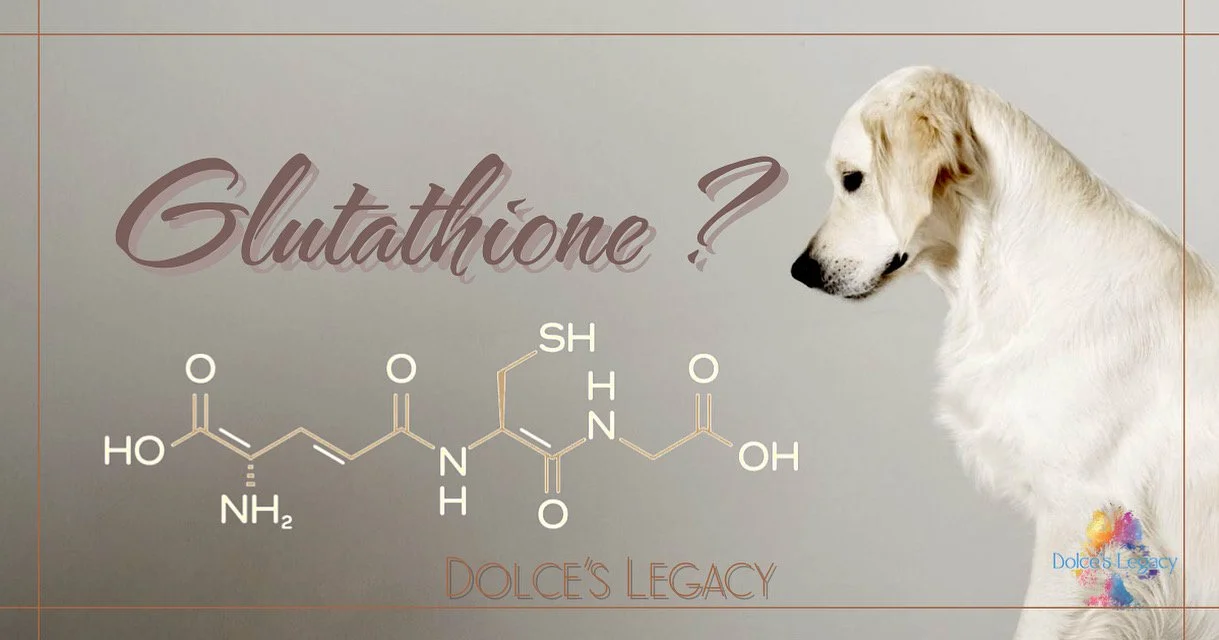
Glutathione can pair with compounds like CBD, CBG, and THC, much like how medicinal mushrooms work well with adaptogens. Its benefits include cognitive improvement, immune enhancement, anti-aging effects, and inflammation control. Studies have shown its potent anti-cancer properties, such as inhibiting lung cancer growth and enhancing mitochondrial function. It helps detoxify the body by eliminating heavy metals, mold toxins, synthetic chemicals, and free radicals, which can all contribute to chronic illness and inflammation. Since modern stressors can deplete glutathione levels, it's important to maintain and support them for overall health.
We “Do Not Vaccinate” Unhealthy Body’s!
Over the past five years, I've collected countless heartbreaking stories from pet owners navigating the complexities of vaccinations and their impact on our beloved dogs, especially those facing health challenges. From a 13-year-old dog with a brain tumor denied medication refills without updated vaccinations to a senior dog diagnosed with lymphoma shortly after routine vaccinations, these experiences highlight the urgent need for a more compassionate approach to veterinary care. Research from Purdue University School of Veterinary Medicine reveals alarming findings about the risks of vaccinating dogs, particularly those not in optimal health. Autoantibodies forming in vaccinated dogs can lead to serious health issues, raising questions about the practice of vaccinating stressed or ill pets. As Dr. Tamara Hebbler, DVM, reminds us, "Vaccinating a stressed or ill dog violates our Hippocratic Oath: ABOVE ALL, DO NO HARM."